
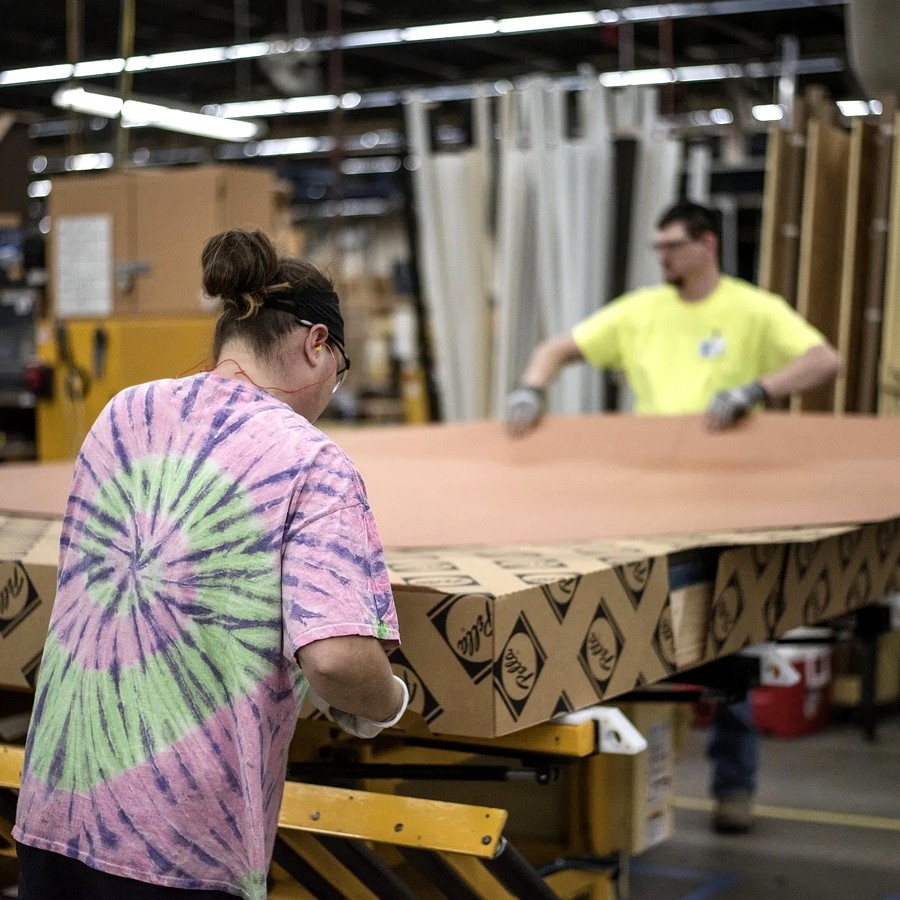
Overview of Job Losses in September
In a surprising turn of events, the latest report from the payroll processing company ADP revealed that U.S. private employers shed 32,000 jobs in September 2025. This data, released on Wednesday, starkly contrasts with economists’ forecasts, which anticipated a gain of 51,000 jobs. Moreover, the report indicated a revision of private payrolls for August, which now reflects a loss of 3,000 jobs, down from an initially reported increase of 54,000.
Implications of the ADP Report
The unexpected job losses signal a significant pullback in the labor market, raising concerns about the overall economic stability. Nela Richardson, the chief economist at ADP, commented on the findings, stating, “Despite the strong economic growth we saw in the second quarter, this month’s release further validates what we’ve been seeing in the labor market, that U.S. employers have been cautious with hiring.” This caution may stem from various factors, including rising interest rates, inflationary pressures, and global economic uncertainties.
Historical Context
This downturn in job creation comes at a time when the U.S. economy has shown signs of resilience, particularly in the second quarter of 2025. However, the labor market has been increasingly sensitive to changes in economic conditions. For instance, in prior years, similar fluctuations in job numbers were often tied to shifts in monetary policy or external economic shocks.
- 2020-2021: The COVID-19 pandemic led to unprecedented job losses, with millions of Americans filing for unemployment.
- 2022: Recovery began, with many sectors experiencing a rebound as businesses reopened.
- 2023-2024: Job growth was steady, but inflation and interest rate hikes began to temper hiring.
Analysis of Current Trends
The current job losses may reflect a broader trend of employers reassessing their workforce needs amidst economic uncertainty. The tech sector, which had previously experienced significant growth, has been particularly affected, with major companies announcing layoffs and hiring freezes. Additionally, industries such as retail and manufacturing are also feeling the pinch, as consumer spending patterns shift.
“Employers are becoming increasingly cautious, which could lead to a prolonged period of stagnation in job growth if economic conditions do not improve.”
Future Outlook
Looking ahead, the labor market’s trajectory will likely depend on several key factors, including the Federal Reserve’s monetary policy decisions and global economic developments. Analysts suggest that if inflation remains high, interest rates may continue to rise, further impacting hiring decisions across various sectors.
In conclusion, the ADP report serves as a critical indicator of the current state of the labor market. As private employers navigate a complex economic landscape, job growth may remain subdued in the short term. Stakeholders, including policymakers and business leaders, will need to monitor these trends closely to adapt to the evolving economic conditions.