
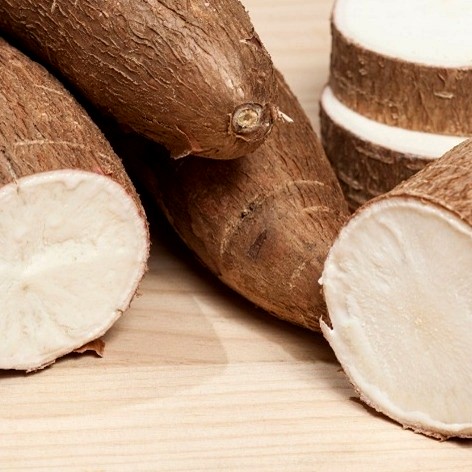
Introduction to Cassava Cultivation in Brazil
Cassava, a root vegetable widely cultivated in tropical and subtropical regions, has been gaining significant traction in Brazil, particularly in the state of Rio Grande do Sul (RS). According to the latest Conjuntural Newsletter released by Emater/RS-Ascar, cassava cultivation is entering a crucial phase of implementation across various regions within the state. This development is not only pivotal for local agribusiness but also reflects broader trends in agricultural practices and market dynamics.
Current Developments in Cassava Cultivation
As of October 9, 2025, the Santa Rosa region is actively engaged in the technical monitoring of soil management practices. Farmers are employing an annual rotation strategy that alternates between cassava and corn, a method designed to enhance soil fertility and reduce pest infestations. This sustainable farming approach is crucial for maintaining the health of the land and ensuring high-quality crop yields.
Technical Support and Innovations
In Santo Ângelo, a local producer has received valuable technical assistance aimed at optimizing cassava planting. This includes the development of a comprehensive cost analysis project for corn as well as the introduction of 15 different cassava cultivars in collaboration with the Instituto Federal Farroupilha. Such partnerships are essential for fostering innovation and improving agricultural practices in the region.
Looking ahead, the initiative plans to host a field day next year, which will serve as a platform for knowledge sharing and showcasing advancements in cassava cultivation. This event is expected to attract local farmers, agronomists, and stakeholders from the agricultural sector, further bolstering community engagement and education.
Market Dynamics and Economic Implications
The economic landscape for cassava is also evolving. Currently, peeled and frozen cassava is being sold at approximately R$7.50 per kilogram in agribusiness outlets. When sold directly to consumers, the price remains the same, while alternative peeled products range from R$8.00 to R$12.00 per kilogram. These pricing strategies indicate a healthy demand for cassava, positioning it as a competitive player in the agricultural market.
Challenges and Quality Concerns
Despite the positive outlook, there are ongoing challenges that need to be addressed. The newsletter highlights concerns regarding the quality of cassava germination, which has been adversely affected by environmental factors such as whitefly infestations and frost. Continuous monitoring of germination rates is critical to ensure that the quality of the crop meets market standards.
“Germination in the areas continues to be monitored, as there are concerns regarding the quality of the material delivered, which was affected by whitefly and frost.”
Future Perspectives
As cassava cultivation gains momentum in Rio Grande do Sul, the future looks promising. The integration of innovative agricultural practices, combined with technical support, is likely to enhance productivity and sustainability. Furthermore, as consumer preferences shift towards local and sustainably sourced products, cassava may play an increasingly important role in the regional economy.
In conclusion, the advancements in cassava cultivation in Brazil’s RS state not only signify a shift in agricultural practices but also reflect the potential for economic growth in the agribusiness sector. As farmers navigate the challenges ahead, the collaboration between producers, educational institutions, and agricultural organizations will be vital for ensuring the long-term success of this vital crop.