
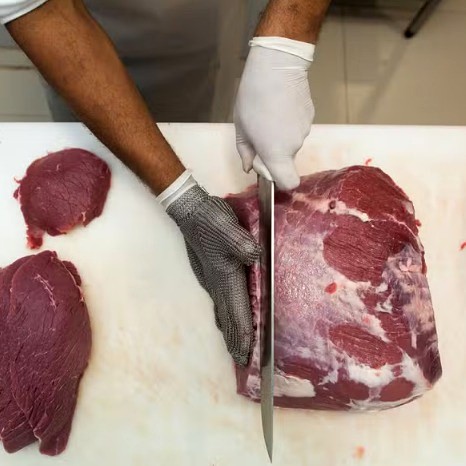
Record-Breaking Exports: An Overview
In September 2025, Brazil’s beef exports soared to a historic high, totaling 373,800 tons. This figure represents a remarkable 17% increase compared to the same month in the previous year. Additionally, the revenue generated from these exports reached an all-time monthly peak of $1.92 billion, marking a staggering 49% rise from September 2024. These figures, released by the Brazilian Meatpacking Association (Abrafrigo), underscore the resilience and adaptability of Brazil’s beef sector in a challenging global trade environment.
Key Markets Driving Demand
China has emerged as the largest importer of Brazilian beef, followed closely by the European Union. This shift in demand dynamics is particularly noteworthy given the recent trade tensions between Brazil and the United States. Following the imposition of a 50% tariff on Brazilian beef by the Trump administration, which increased the overall tariff to 76.4%, Brazil has successfully redirected its export focus towards these alternative markets.
Impact of U.S. Tariffs
The increase in tariffs on Brazilian beef by the United States has undoubtedly posed challenges for Brazilian exporters. However, the sector’s ability to pivot and capitalize on new opportunities has been commendable. As noted by Abrafrigo, “This strong performance occurred in the second month of the additional tariffs imposed on Brazilian products by the United States government, demonstrating that the sector has successfully overcome adversity and seized new commercial opportunities, offsetting the decline in sales to the United States.” This adaptability is crucial in a global market that is increasingly sensitive to geopolitical shifts and trade policies.
Historical Context and Economic Implications
The Brazilian beef industry has long been a cornerstone of the country’s economy, historically positioning Brazil as one of the world’s leading beef exporters. The recent surge in exports not only highlights the sector’s importance but also reflects broader economic trends. For instance, according to the Brazilian Institute of Geography and Statistics (IBGE), agriculture and livestock together accounted for approximately 5.3% of Brazil’s GDP in 2024. The growth in beef exports can thus be seen as a significant contributor to the nation’s economic recovery and stability.
Future Perspectives
Looking ahead, the Brazilian beef industry faces both opportunities and challenges. The continued demand from China and the EU may provide a buffer against potential losses from the U.S. market. However, the industry must remain vigilant regarding global market fluctuations, environmental sustainability, and animal welfare standards, which are increasingly influencing consumer preferences.
- Strengthening Trade Relations: Brazil could benefit from strengthening trade relations with emerging markets to diversify its export portfolio further.
- Sustainability Initiatives: Implementing sustainable practices will be essential to meet the growing demand for ethically sourced products.
- Market Adaptability: The ability to adapt to changing trade policies and consumer preferences will be crucial for long-term success.
“The strong performance in beef exports reflects the sector’s resilience and ability to navigate through challenging trade landscapes.” – Abrafrigo
In conclusion, Brazil’s beef export sector has demonstrated remarkable growth in September 2025, setting new records in both volume and revenue. As the industry continues to adapt to the evolving global trade environment, its future will largely depend on how well it can respond to emerging challenges and opportunities.