
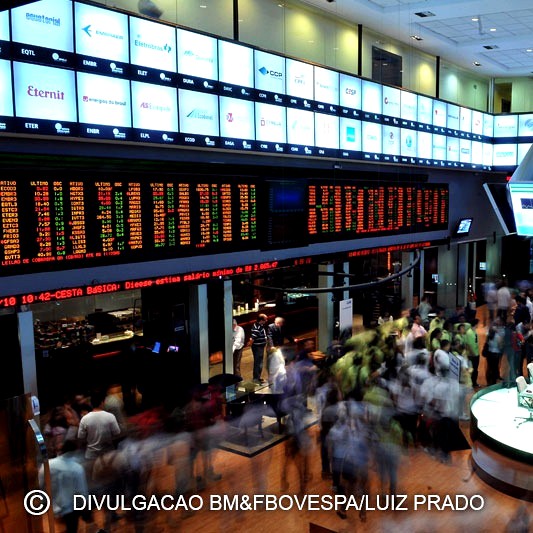
Overview of the Ibovespa Decline
On October 10, 2025, the Brazilian stock market benchmark index, known as the Ibovespa, experienced a notable decline, closing at 140,859.07 points. This represents a drop of 0.6% from the previous trading session, marking a significant moment in the ongoing volatility of the Brazilian financial markets. The index reached a low of 140,231.24 points during the day, while peaking at 142,273.75 points before settling lower.
Trading Volume and Market Dynamics
The trading volume on this day was reported at R$19.69 billion, indicating a robust level of activity despite the downward trend. Such trading volumes are reflective of investor sentiment and market dynamics, often influenced by both domestic and international economic factors.
Factors Influencing the Market
Several factors may have contributed to the decline of the Ibovespa. Economic uncertainties, both locally and globally, often play a pivotal role in investor behavior. For instance, fluctuations in commodity prices, changes in U.S. monetary policy, and geopolitical tensions can significantly impact market performance.
Historical Context
The Ibovespa has seen various fluctuations over the years, often responding to economic indicators such as inflation rates, unemployment figures, and GDP growth. Historically, Brazil’s economy has been characterized by periods of both rapid growth and severe downturns. The current decline could be viewed in the context of Brazil’s economic recovery post-pandemic, which has been uneven and fraught with challenges.
Implications for Investors
For investors, the drop in the Ibovespa serves as a reminder of the inherent risks associated with equity markets. The volatility experienced in recent months may lead to a cautious approach among investors, prompting them to reassess their portfolios and consider diversification strategies. The following points summarize key considerations for investors in light of the recent market performance:
- Market Volatility: Understanding that fluctuations are part of the investment landscape.
- Economic Indicators: Keeping an eye on key economic reports that can influence market trends.
- Diversification: Considering a diversified portfolio to mitigate risks associated with specific sectors.
- Long-term Perspective: Maintaining a long-term view can be beneficial in times of uncertainty.
Future Outlook
Looking ahead, the future of the Ibovespa will likely depend on a combination of domestic fiscal policies and global economic conditions. Analysts suggest that while short-term volatility may persist, long-term growth potential remains, particularly as Brazil continues to navigate its post-pandemic recovery. Investors are encouraged to stay informed about both local developments and global market trends that could impact the Brazilian economy.
“The fluctuations in the Ibovespa highlight the need for investors to remain vigilant and adaptable in a rapidly changing economic environment.”
In conclusion, the recent decline of the Ibovespa serves as a crucial indicator of the current state of the Brazilian economy and the broader financial landscape. Investors are advised to remain informed and prepared for ongoing market shifts as they navigate these challenging times.