
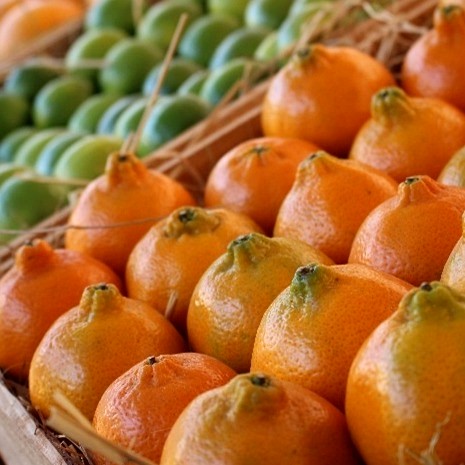
Overview of Citrus Production in Minas Gerais
The citrus production sector in Minas Gerais, Brazil, is experiencing remarkable growth, with a reported increase of 17.2% in total production from January to August 2025. According to data from the State Secretariat of Agriculture, Livestock, and Supply, this surge has resulted in a total output of 1.48 million tons, reflecting the resilience of the industry amidst global challenges.
Key Statistics and Trends
The average productivity across the state has reached 24.37 tons per hectare, cultivated over an area of 85,198.45 hectares. Notably, oranges constitute the backbone of this production, making up 90.3% of the total output, which translates to approximately 1.13 million tons. This figure marks a significant year-over-year increase of 21%, underscoring the growing demand and successful cultivation practices in the region.
Historical Context
Minas Gerais has a long-standing tradition in citrus cultivation, which has evolved significantly over the past two decades. The state’s agricultural landscape has adapted to various challenges, including pest management and climate variations. The Minas Gerais Agricultural Institute has played a pivotal role in this evolution by monitoring crop health and implementing preventive measures against diseases that threaten citrus orchards.
Impact of Agricultural Practices
A critical component of the citrus industry’s success has been the rigorous monitoring and management practices enforced by agricultural authorities. In 2024 alone, the Minas Gerais Agricultural Institute conducted inspections on 1,742 rural properties and issued 773 seedling entry permits, ensuring that the health of the crops is maintained. The Viva Citros program, which focuses on education and prevention, has further strengthened the sector’s resilience.
Future Prospects
Looking ahead, the future of citrus production in Minas Gerais appears promising. With the global demand for citrus fruits on the rise, fueled by health-conscious consumers seeking natural sources of vitamins and minerals, the region is well-positioned to expand its market share. However, the industry must remain vigilant against potential threats, including climate change and pest infestations, which could impact yields.
Conclusion
The impressive growth of citrus production in Minas Gerais not only highlights the region’s agricultural capabilities but also reflects broader economic trends within Brazil’s agricultural sector. As the state continues to innovate and adapt, it is likely to become a leading player in the global citrus market, contributing significantly to the local economy and food supply.