
Overview of the Currency Movement
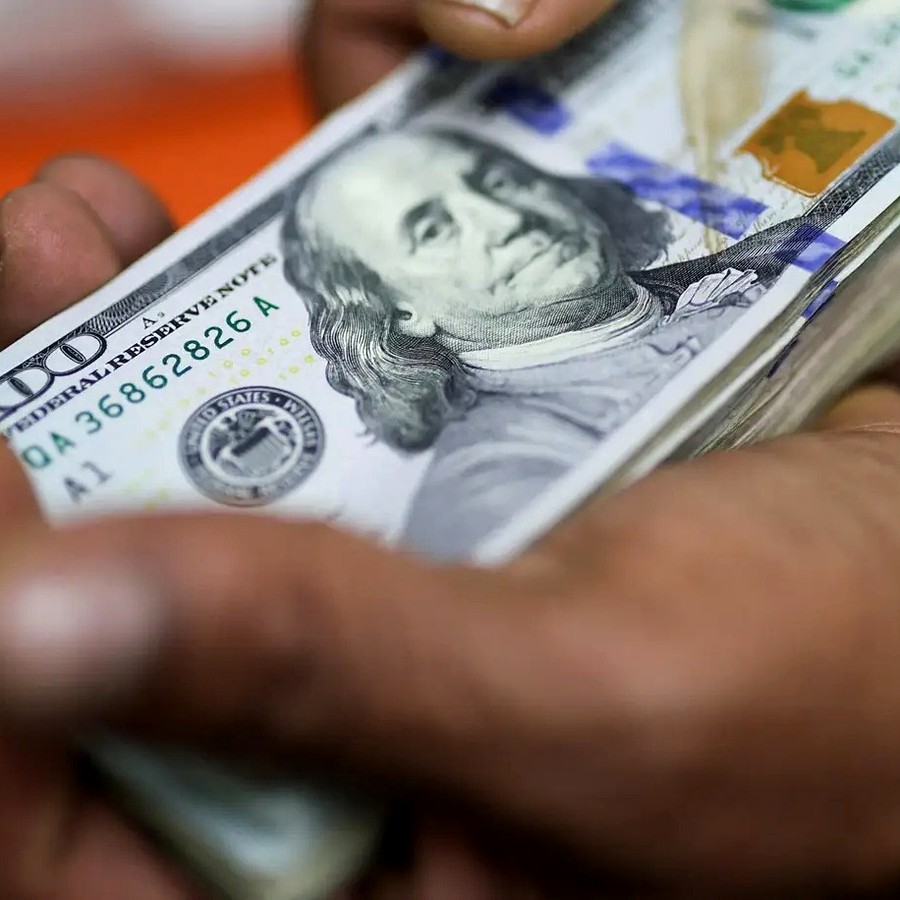
On Friday, October 10, 2025, the Brazilian real experienced a significant decline against the US dollar, which closed at R$5.50, marking a 2.38% increase in value. This surge is attributed to a combination of domestic fiscal uncertainties and external pressures from international trade dynamics.
Market Reactions and Fiscal Concerns
The increase in the dollar’s value can be linked to renewed fears regarding Brazil’s fiscal stability. Market participants are particularly concerned about the government’s ability to restore revenues following the recent defeat of Provisional Measure 1,303 in Congress. This measure was aimed at addressing fiscal challenges but faced significant political hurdles, leading to uncertainty about the government’s financial strategies moving forward.
At an event launching a new mortgage loan initiative, officials made statements that were closely scrutinized by the market. Investors are looking for clear signals from the government regarding fiscal policies that could stabilize the economy and restore confidence among both domestic and foreign investors.
External Pressures: Tariff Threats from the U.S.
Adding to the volatility, the dollar’s rise is also influenced by renewed tariff threats from former President Donald Trump. Such threats not only impact the stock market but also heighten concerns about capital outflows from Brazil, as investors seek safer havens amid uncertainty.
At its peak during the trading day, the dollar reached R$5.51, reflecting the market’s sensitivity to both domestic fiscal policies and international economic relations. The spot dollar closed at R$5.503 for sale, while the November dollar, the most liquid contract on the B3 exchange, increased by 1.54% to R$5.489.
Historical Context and Economic Implications
This recent spike in the dollar’s value is not an isolated incident; it reflects a broader trend of currency fluctuations influenced by political and economic factors. Historically, Brazil has faced challenges with currency stability, particularly during periods of political upheaval or economic uncertainty. For instance, in 2015, Brazil experienced a similar situation where political instability led to significant depreciation of the real.
- Impact on Inflation: A stronger dollar can lead to increased costs for imported goods, potentially fueling inflation in Brazil.
- Foreign Investment: Heightened uncertainty may deter foreign investment, impacting economic growth.
- Trade Balance: A weaker real can affect Brazil’s trade balance, making exports cheaper but increasing the cost of imports.
Looking Ahead: Perspectives on Currency Trends
As Brazil navigates these fiscal challenges, the outlook for the real remains uncertain. Analysts suggest that the government must quickly implement measures to restore confidence among investors. The ability to address fiscal concerns and manage external pressures will be crucial in determining the future trajectory of the real against the dollar.
“The market is in a wait-and-see mode, and the government’s next steps will be critical in shaping investor sentiment and currency stability.”
In conclusion, the recent rise of the dollar against the Brazilian real serves as a reminder of the intricate interplay between domestic fiscal policies and international economic pressures. Stakeholders will be closely monitoring developments in the coming weeks as Brazil seeks to stabilize its economy amidst these challenges.