
Market Overview and Immediate Reactions
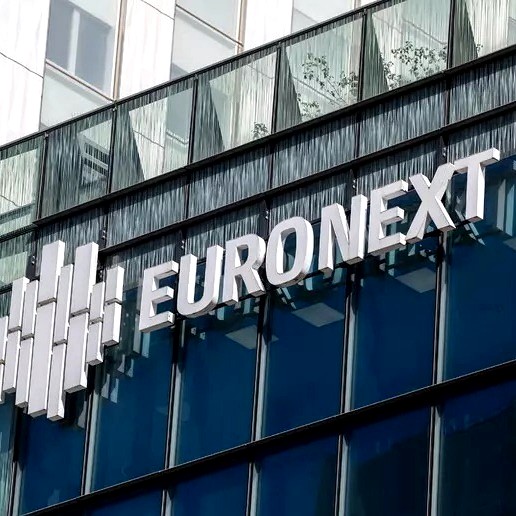
On October 10, 2025, European stock markets experienced a significant downturn, closing sharply lower after a tumultuous trading session. The decline was largely attributed to comments made by U.S. President Donald Trump, who threatened to impose substantial increases in tariffs on Chinese imports. This announcement not only rattled investors in Europe but also triggered an immediate sell-off on Wall Street, reflecting the interconnected nature of global markets.
Specific Market Performance
The Paris stock exchange faced the steepest decline, closing down 1.53%. Frankfurt followed closely with a decrease of 1.5%, while London’s FTSE 100 fell by 0.86%. These declines are indicative of the broader concerns regarding trade relations and economic stability across Europe, particularly as many nations are still grappling with the economic repercussions of the COVID-19 pandemic.
Contextualizing the Decline
This recent downturn is not an isolated incident but part of a larger trend of volatility in the financial markets. The fear of escalating trade tensions between the United States and China has been a persistent theme since the onset of the trade war in 2018. Previous tariff increases have led to retaliatory measures from China, affecting a wide range of industries and contributing to global economic uncertainty.
Political and Economic Implications
In addition to the immediate market reactions, the political landscape in Europe is also a factor contributing to the current volatility. France, in particular, is facing internal political turmoil, which further complicates its economic outlook. Economic indicators suggest that investor confidence is wavering, and any additional strain from international trade disputes could exacerbate existing challenges.
Future Outlook and Investor Sentiment
Looking ahead, analysts predict that the ongoing tensions between the U.S. and China will continue to influence market performance. Investors are advised to remain cautious as the situation develops. The potential for further tariff increases could lead to a ripple effect across various sectors, particularly those heavily reliant on trade with China.
- Potential Sectors Affected:
- Manufacturing
- Aerospace
- Technology
- Agriculture
“The interconnectedness of global markets means that any significant policy change in the U.S. will have immediate repercussions across the Atlantic,” dissevered a market analyst.
As the situation evolves, market participants will be closely monitoring not only tariff announcements but also the broader geopolitical landscape, which could further impact economic stability in Europe and beyond.