
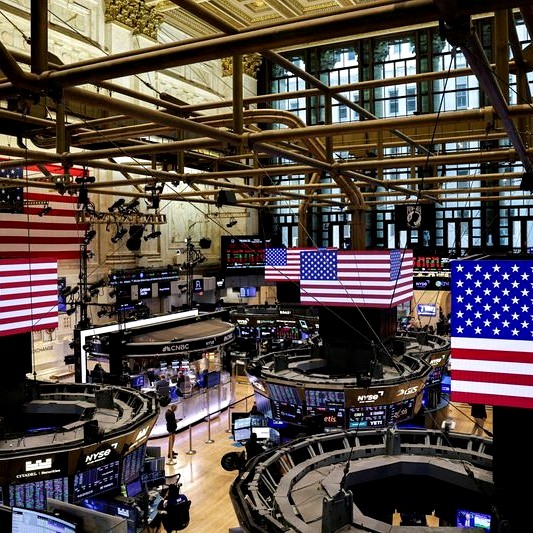
Overview of Market Performance
On October 10, 2025, the New York stock markets closed sharply lower, with significant declines across major indexes. This downturn was primarily driven by renewed threats from U.S. President Donald Trump regarding potential increases in tariffs against China, reigniting concerns over the prolonged trade conflict between the two economic giants.
Daily Index Performance
The Dow Jones Industrial Average fell by 1.90%, closing at 45,479.60 points. The S&P 500 recorded an even steeper decline of 2.71%, ending the day at 6,552.51 points, while the technology-heavy Nasdaq composite index suffered a loss of 3.56%, closing at 22,204.43 points. This marked the largest daily losses for these indexes since April of the same year.
- Dow Jones Industrial Average: -1.90% to 45,479.60
- S&P 500: -2.71% to 6,552.51
- Nasdaq: -3.56% to 22,204.43
Each of these major indexes also posted significant weekly losses, with the Dow down 2.73%, the S&P 500 down 2.43%, and the Nasdaq down 2.53%. Such declines reflect a broader trend of volatility in the markets, which have been heavily influenced by geopolitical events and economic policy decisions.
Context of Trade Relations
The tension between the U.S. and China has been a persistent issue affecting global markets. Since the onset of trade negotiations in 2018, both countries have engaged in a series of tariff implementations and retaliations, which have created uncertainty for investors and businesses alike. The potential for increased tariffs threatens to exacerbate an already fragile economic environment, leading to fears of reduced consumer spending and slower economic growth.
“The ongoing trade conflict has created a climate of uncertainty that weighs heavily on investor sentiment. The prospect of higher tariffs could lead to increased prices for consumers and reduced profits for companies reliant on Chinese imports.”
Market Reactions and Future Outlook
Market analysts have expressed concerns that continued volatility in trade relations could lead to further declines in stock prices. As companies continue to grapple with rising costs and supply chain disruptions, the potential for a slowdown in earnings growth looms large. Investors are advised to remain cautious as they navigate this unpredictable landscape.
Looking ahead, the Federal Reserve’s monetary policy will also play a crucial role in shaping market dynamics. Should economic indicators continue to signal weakness, the Fed may need to consider further interest rate adjustments to stimulate growth. However, any such decisions will also need to account for the ongoing trade tensions, creating a complex balancing act for policymakers.
Conclusion
The significant decline in New York stock markets on October 10 serves as a stark reminder of the intertwined nature of global trade relations and domestic economic performance. As investors brace for potential further volatility, the focus remains on how trade negotiations evolve and their implications for the broader economic landscape.