
Introduction of Climate Preparedness in Spanish Schools
In a proactive response to the increasing frequency and severity of natural disasters exacerbated by climate change, the Spanish government has announced a new educational initiative aimed at teaching children how to effectively cope with emergencies such as floods, wildfires, earthquakes, and volcanic eruptions. This program, which is set to impact over 8 million children across 25,000 schools, underscores the urgent need for climate resilience in educational curricula.
Context and Rationale
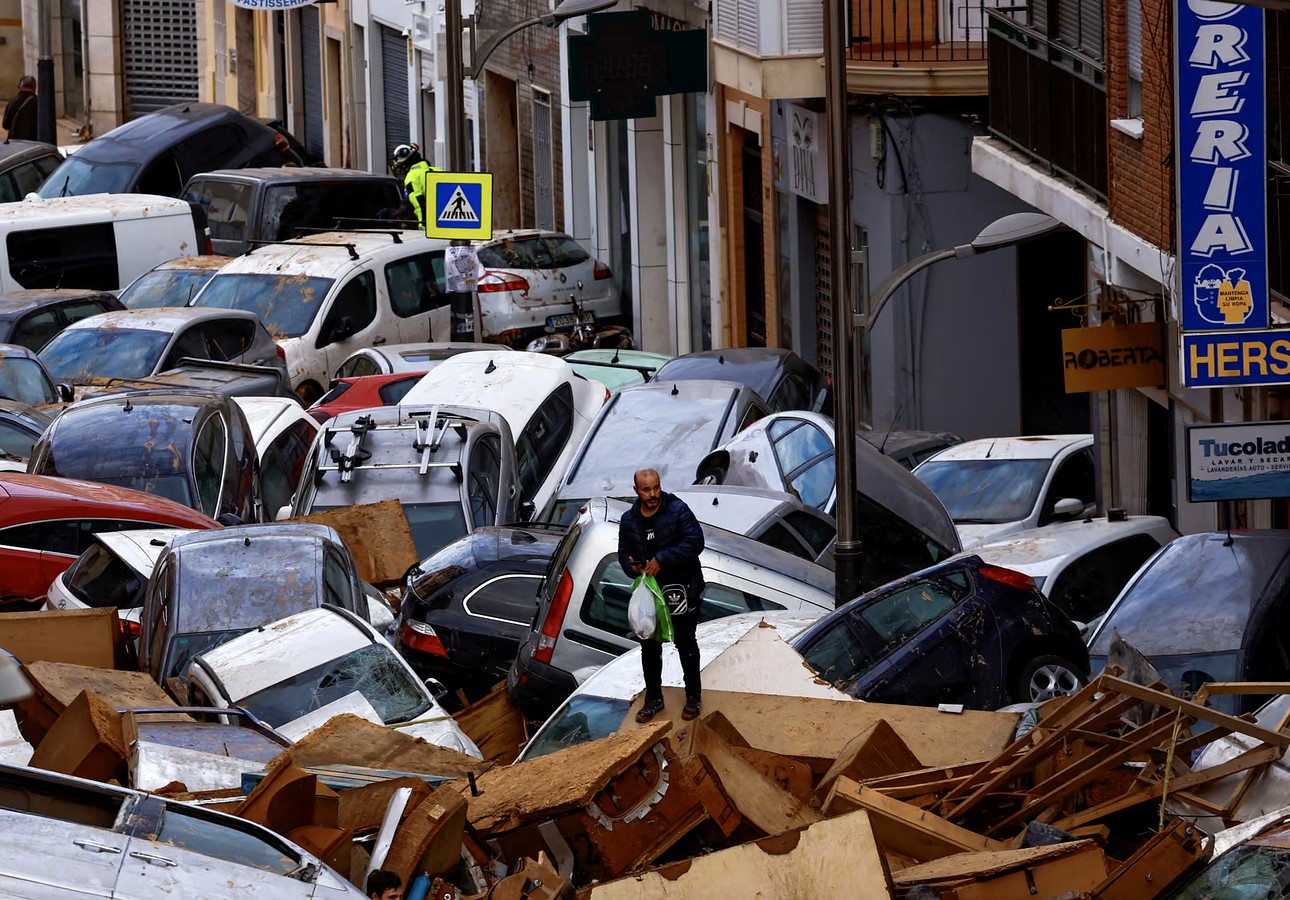
The initiative comes on the heels of a devastating summer marked by forest fires that claimed four lives and catastrophic floods that resulted in over 220 fatalities in eastern Spain within the past year. These events have highlighted the pressing reality of climate change and its direct impact on communities. The education ministry’s new curriculum aims to equip students with essential knowledge and skills to navigate such emergencies safely.
Curriculum Details
The proposed curriculum will incorporate a variety of teaching methods, including videos, infographics, and interactive media. It mandates a minimum of two hours of instruction for younger students in infant and primary education, while older students will receive at least four hours of training. This flexibility allows Spain’s autonomous regions to adapt the content to address local hazards specific to their areas.
Learning Outcomes
According to the education ministry, the curriculum will cover a wide range of topics:
- Recognizing alarms and identifying early signs of danger.
- Basic safety principles for various emergencies.
- Strategies for seeking high ground during floods.
- Safe practices during earthquakes, such as taking cover under sturdy furniture.
- Understanding the difference between reliable information and misinformation in emergencies.
Broader Implications for Education and Society
This initiative reflects a broader trend in educational reform, where the integration of climate education is becoming increasingly vital. As climate-related disasters become more common globally, there is a growing recognition of the role that education plays in fostering resilience among future generations.
Moreover, this program could serve as a model for other countries facing similar challenges. By prioritizing disaster preparedness in schools, governments can cultivate a more informed and proactive citizenry, capable of responding to environmental crises effectively.
Looking Ahead
As Spain embarks on this ambitious educational journey, it will be critical to monitor the program’s implementation and its impact on students’ preparedness for climate emergencies. Future assessments could provide valuable insights into the effectiveness of such educational initiatives and inform further adaptations in curricula worldwide. The success of this program may also encourage other nations to integrate similar strategies, reinforcing the global imperative to address climate change through education.
“The necessary knowledge, skills, attitudes, and values needed to deal with emergency situations in a safe and effective way are crucial for our future generations.” – Spanish Education Ministry