
Introduction
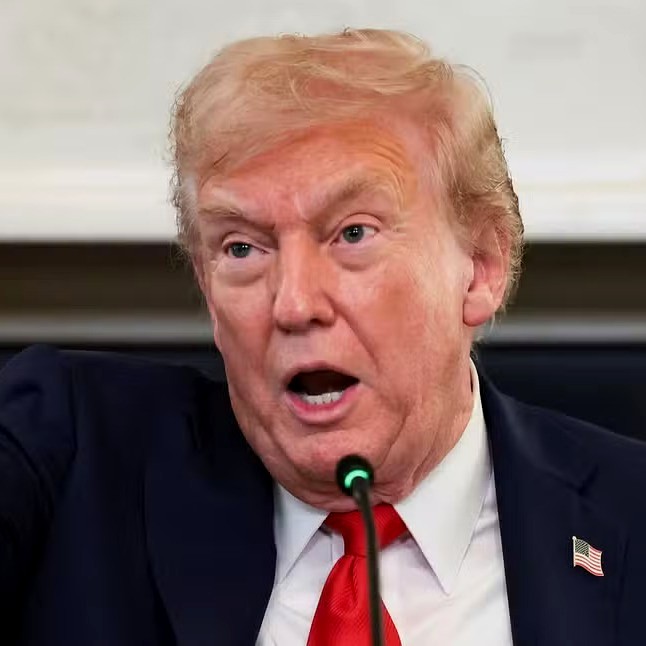
On October 10, 2025, U.S. President Donald Trump declared his intention to impose an additional 100% tariff on goods imported from China, set to take effect on November 1. This announcement represents a significant escalation in the ongoing trade conflict between the United States and China, a situation that has been tense since Trump first took office in 2017.
The Escalation of Trade Tensions
The decision to implement such a steep tariff comes amid a backdrop of rising frustrations over various issues, including allegations of unfair trade practices and intellectual property theft by China. Trump has accused China of manipulating its currency and controlling the export of rare earth elements, which are crucial for many high-tech industries.
Trump’s announcement follows a series of tariffs imposed on Chinese goods over the past several years, which have already impacted American consumers and businesses. The President indicated that the tariffs could be enacted even sooner than the scheduled date, depending on China’s actions in the interim. Furthermore, he stated that the U.S. would also impose export controls on all critical software, indicating a broader strategy to limit China’s access to essential technologies.
Impact on U.S.-China Relations
Relations between the two nations have deteriorated significantly, with diplomatic ties strained over trade, military posturing in the South China Sea, and differing approaches to global governance. Trump has expressed skepticism about the potential for future negotiations, stating that there is “no reason whatsoever” to meet with Chinese President Xi Jinping at the upcoming Asia-Pacific Economic Cooperation (APEC) Summit in South Korea. This cancellation underscores the growing rift and the challenges of diplomatic engagement.
Economic Implications
The ramifications of these tariffs are expected to be widespread, affecting not only the U.S. and Chinese economies but also global markets. Analysts predict that the new tariffs could lead to increased prices for American consumers, as many household goods are produced in China. Industries that rely on Chinese imports, such as electronics, automotive, and consumer goods, may face significant disruptions.
- Increased costs for manufacturers relying on Chinese components.
- Potential job losses in sectors heavily reliant on low-cost imports.
- Heightened inflation as businesses pass on costs to consumers.
Additionally, the trade war has already led to retaliatory tariffs from China, which have targeted U.S. agricultural products, affecting American farmers and contributing to a decline in rural economies.
Future Perspectives
Looking ahead, the economic landscape could shift dramatically as both nations navigate this new phase of trade relations. Experts warn that prolonged tensions could lead to a decoupling of the U.S. and Chinese economies, with companies seeking to relocate supply chains to mitigate risks associated with tariffs.
Furthermore, the geopolitical landscape may also be affected, as countries around the world watch closely to see how the U.S. and China manage this escalating conflict. The potential for increased nationalism and protectionism could reshape global trade dynamics.
“The imposition of a 100% tariff signifies a turning point in U.S.-China relations, with far-reaching consequences for the global economy.”
Conclusion
As President Trump moves forward with this bold tariff strategy, the implications for both the U.S. and Chinese economies remain uncertain. Stakeholders across various sectors must prepare for a future marked by increased volatility and potential upheaval in international trade.