
Introduction to the Michelin Guide’s Global Selection
On October 8, the Michelin Guide made headlines by unveiling its inaugural global selection of hotels, marking a significant expansion of its prestigious brand. Previously known for its restaurant ratings, the guide has now ventured into the realm of hospitality, recognizing outstanding hotels worldwide. This selection comes after a thorough evaluation of over 7,000 hotels, showcasing the guide’s commitment to excellence in the travel industry.
Brazil’s Prominent Recognition
Among the countries in South America, Brazil stood out by having the highest number of hotels acknowledged by the Michelin Guide, with 20 establishments receiving keys. This recognition is not merely a badge of honor; it reflects Brazil’s growing stature in global tourism. The key system employed by the Michelin Guide is analogous to the star ratings for restaurants, with one key representing a “very special stay,” two keys indicating an “exceptional stay,” and three keys denoting an “extraordinary stay.”
Criteria for Selection
The selection process for these keys is rigorous, based on five main criteria:
- Excellence in architecture and interior design: Hotels must showcase outstanding design that enhances the guest experience.
- Quality and consistency of service: Exceptional service is a hallmark of any top-tier hotel, ensuring guests feel valued and catered to.
- Personality and overall character: Each hotel should offer a unique atmosphere that reflects its location and brand.
- Value for money: The experience provided must justify the cost, balancing luxury with affordability.
- Significant contribution to the neighborhood: Hotels are evaluated on their impact on local communities, promoting sustainable tourism practices.
Top Honors in Brazil
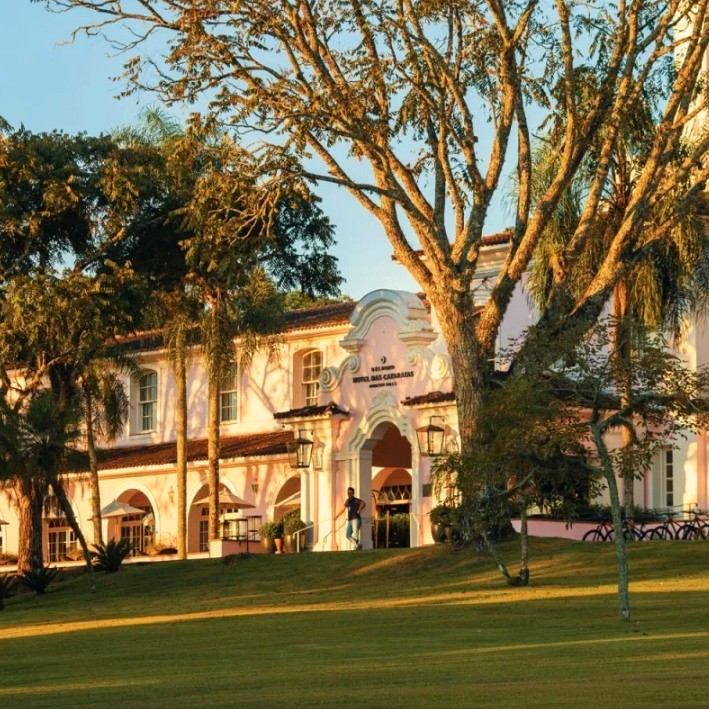
Among the 20 hotels recognized, two properties achieved the highest distinction of three keys: the Hotel das Cataratas, a Belmond Hotel, located in Foz do Iguaçu, and the Rosewood in São Paulo. These hotels exemplify the pinnacle of luxury and service, attracting both domestic and international travelers.
Impact on Brazil’s Tourism Sector
This recognition by the Michelin Guide is likely to have a profound impact on Brazil’s tourism sector. The acknowledgment not only enhances the visibility of these hotels but also promotes Brazil as a desirable travel destination. With the global tourism market rebounding post-pandemic, this could lead to increased bookings and a boost in the local economy.
Future Perspectives
As the Michelin Guide continues to expand its reach, the future looks bright for Brazilian hotels. The increased recognition may encourage other establishments to elevate their standards and strive for similar accolades. Additionally, this could lead to a more competitive hospitality market in Brazil, ultimately benefiting consumers with improved services and experiences.
Conclusion
The Michelin Guide’s recent announcement has not only celebrated the achievements of 20 Brazilian hotels but has also highlighted the country’s potential in the global tourism landscape. As Brazil continues to enhance its hospitality offerings, the world will be watching closely, eager to discover the next wave of extraordinary stays.