
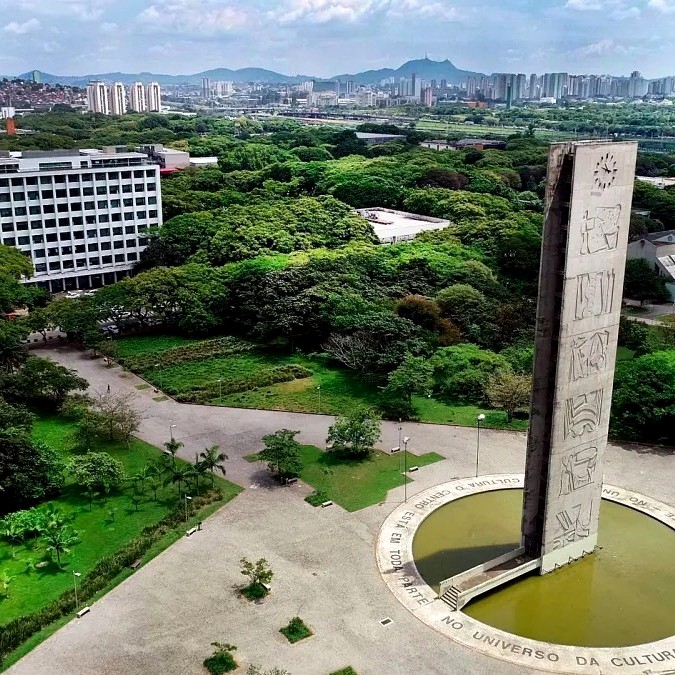
University of São Paulo: A Historical Overview
The University of São Paulo (USP), established in 1934, has long been recognized as a cornerstone of higher education in Brazil and Latin America. It has consistently ranked among the best universities in the region, often leading the QS (Quacquarelli Symonds) rankings. However, in a surprising turn of events, the QS 2026 rankings revealed that USP has lost its top position to the Pontifical Catholic University of Chile (UC), which now claims the first spot.
Details of the QS Rankings
Released on October 1, 2025, the QS 2026 ranking evaluated 492 institutions across 26 countries in Latin America and the Caribbean. The assessment criteria included academic reputation, employability of graduates, research impact, citations per faculty member, and the level of internationalization among the institutions. Despite this setback, USP remains the highest-ranked Brazilian university on the list, a testament to its enduring reputation and influence.
The Rise of Competitors
The ascendance of UC reflects a broader trend of increasing competition among universities in Latin America. Over the past decade, there has been a noticeable shift as many regional institutions have invested heavily in improving their research capabilities and international collaborations. This shift has resulted in a more dynamic educational landscape, where the traditional leaders must adapt to maintain their status.
- Increased Investment: Many universities in Latin America have increased funding for research and development, fostering innovation and attracting top talent.
- International Collaborations: Institutions are forming partnerships with universities worldwide, enhancing their academic offerings and global visibility.
- Focus on Employability: Universities are aligning their curricula with market demands, ensuring that graduates are well-equipped for the job market.
Responses from USP
In response to the ranking change, USP issued a statement emphasizing its continued status as a national benchmark for higher education in Brazil. The university highlighted its advancements in research and scientific production, acknowledging the challenges posed by an increasingly competitive environment. This recognition of competition is crucial, as it reflects a willingness to adapt and improve in response to changing global standards.
“We remain committed to our mission of excellence in education and research, and we view this shift as an opportunity for growth and improvement,” said a spokesperson for USP.
Implications for Higher Education in Latin America
The shift in rankings has significant implications for higher education across Latin America. As institutions strive for higher positions in global rankings, they may prioritize certain metrics over others, potentially affecting the quality and accessibility of education. Furthermore, this competition could lead to a greater emphasis on research output and international partnerships, which may not always align with local educational needs.
Looking Ahead
As the landscape of higher education in Latin America continues to evolve, it will be interesting to observe how USP and other Brazilian universities respond to these challenges. The focus on enhancing research capabilities, improving employability, and fostering international collaborations will likely shape the future of higher education in the region. Moreover, the competitive spirit ignited by this ranking shift could ultimately benefit students, as institutions strive to provide better educational experiences.
In conclusion, the QS 2026 rankings signal a new era in Latin American higher education, with the University of São Paulo facing fresh challenges from its regional counterparts. The need for adaptation and innovation has never been more critical, as universities navigate the complexities of a globalized educational landscape.